
AI Cover Generator for Album, Book and Social Covers
Create cover concepts from a prompt with a focused generator workflow. Start with a ready-made album cover prompt, then adapt the format for book covers, podcast art, YouTube thumbnails, playlist covers, launch graphics, or social banners before doing final text and publishing review.
Google Search
Use web grounding for real-time context
Generate Covers With Clear Format and Layout Direction
Stronger cover prompts describe the medium, size, focal subject, mood, text area, and contrast. This AI Cover Generator gives you a practical starting prompt instead of a blank box.
Album and Playlist Cover Ideas
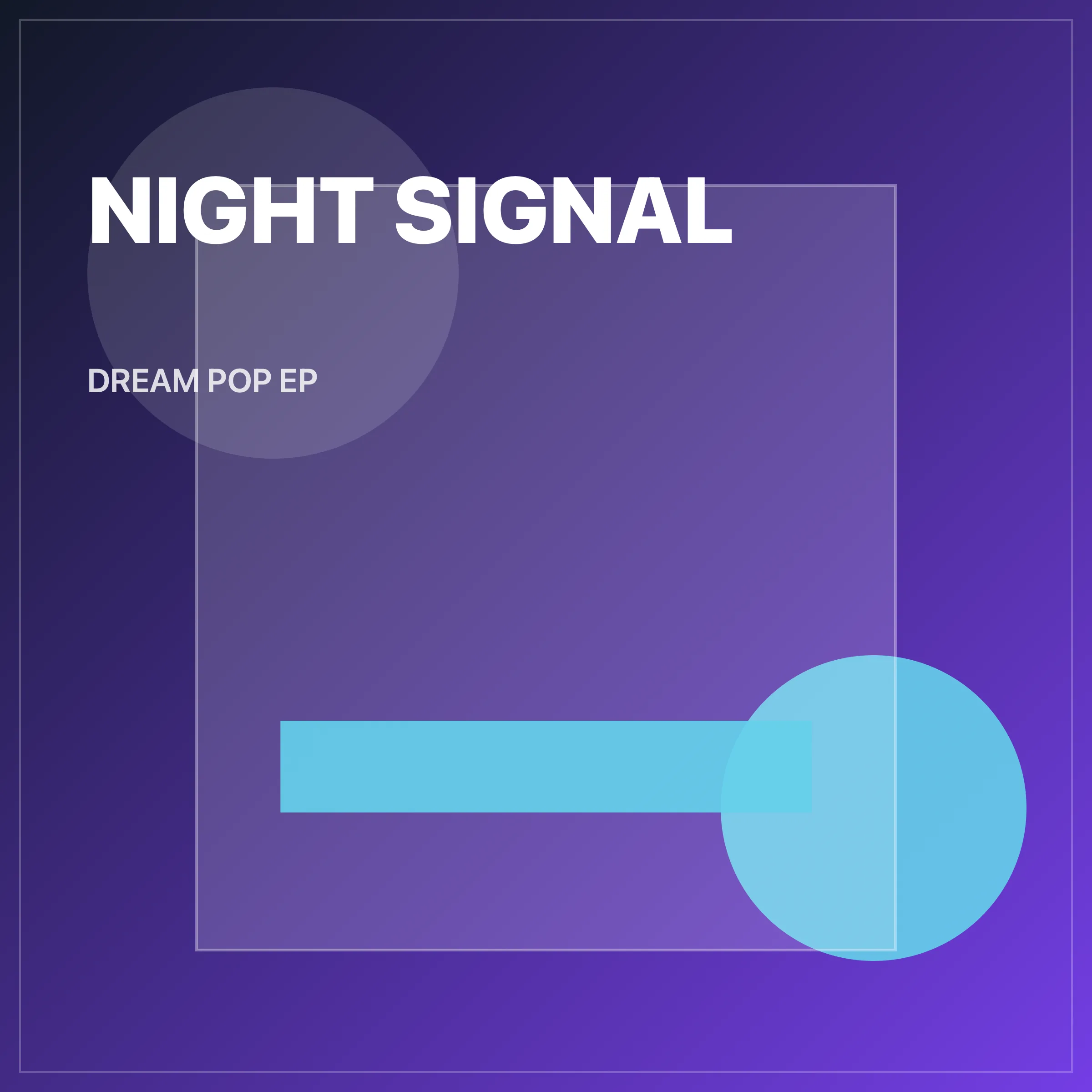
Prompt for genre, release mood, central subject, color palette, and square composition. Keep text minimal during generation, then add final typography in a design tool if the release is public.
Book Cover Concept Exploration
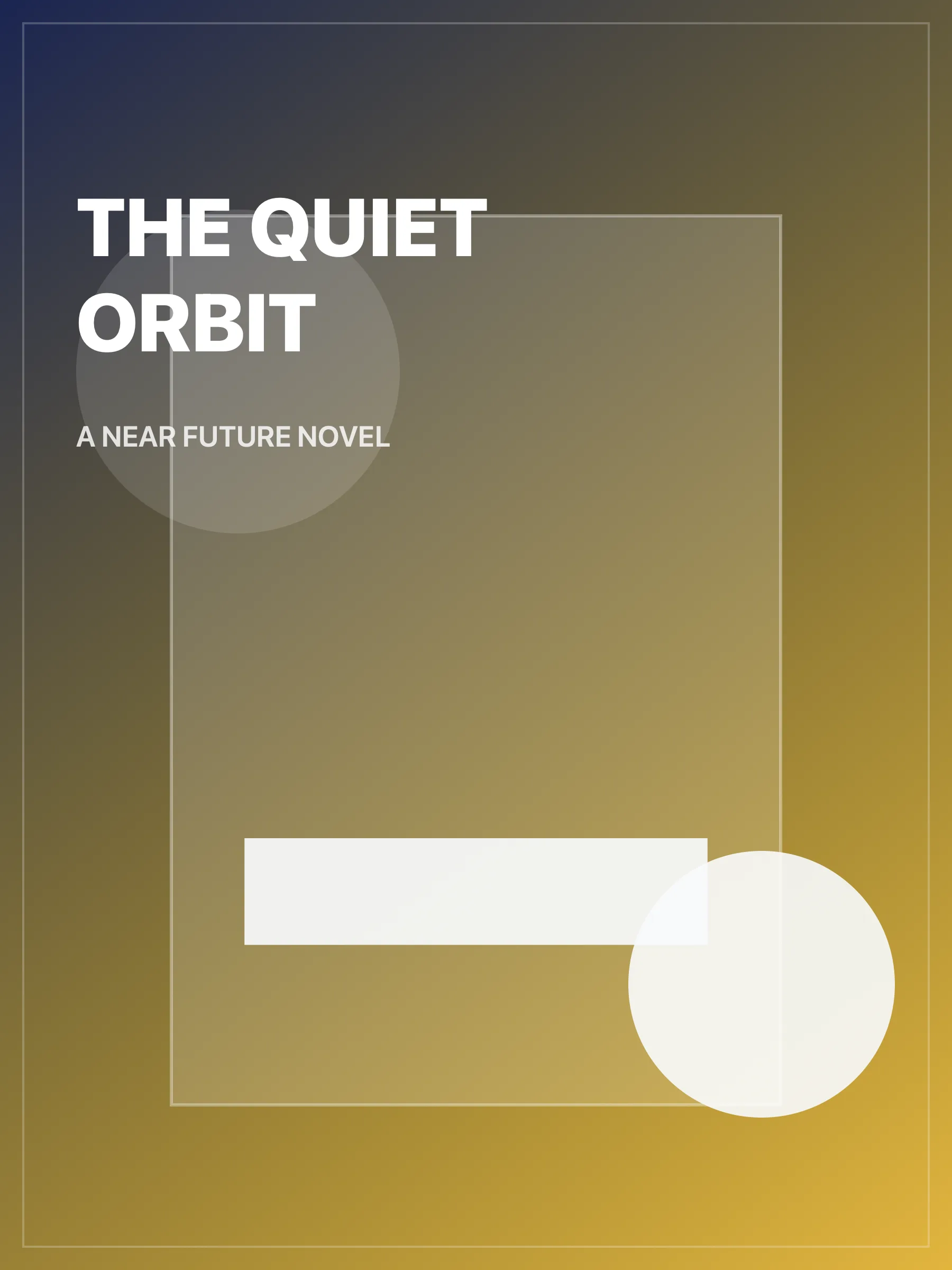
Test genre signals, composition, and visual metaphors before hiring a designer or finishing the layout. AI can help with the art direction, but final book covers still need professional type and rights review.
Thumbnails and Social Covers
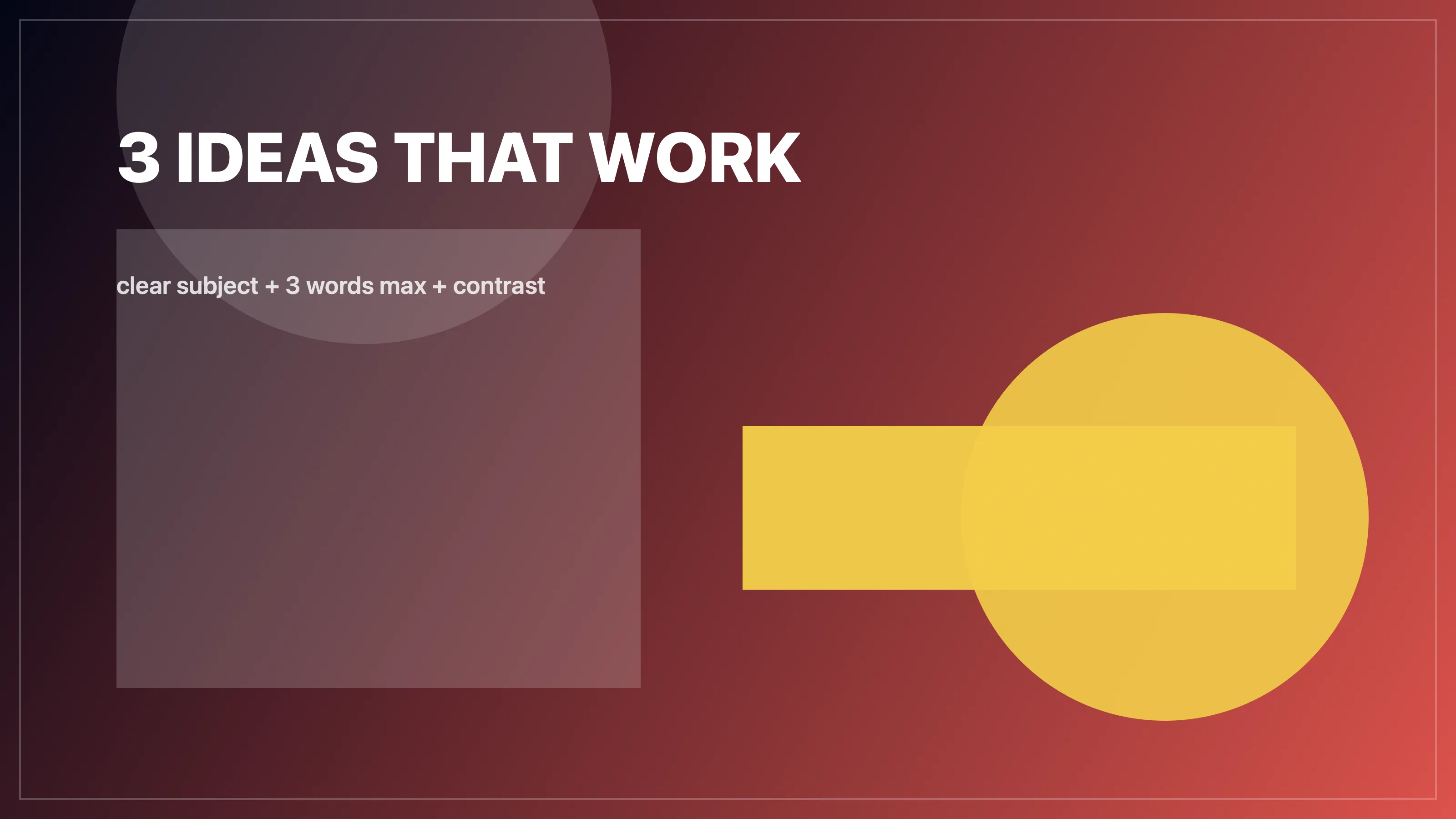
Use high contrast, one clear focal subject, and very short text constraints. For YouTube, mobile readability matters more than decorative detail.
Why Start With an AI Cover Generator
Cover work is about fast visual direction first: format, subject, mood, and attention. Use AI to explore the design space, then polish the final cover with proper typography, crop, and brand checks.
Faster Creative Direction
Generate several directions before you open Photoshop, Canva, Figma, or a publishing template. It is easier to refine a concrete cover concept than a vague mood board.
Prompted for Real Cover Constraints
The default prompt includes medium, square format, focal subject, negative space, contrast, and no extra words because those details reduce messy poster-like output.
Useful Across Cover Formats
Switch from album art to book cover, podcast art, YouTube thumbnail, playlist cover, or launch banner by changing the format and aspect ratio in the prompt.
Honest Publishing Limits
AI can produce a strong concept, but public covers still need human review for typography, trademark conflicts, licensing risk, genre fit, and platform crop requirements.
Cover Ideas This Workflow Handles Well
Use the AI Cover Generator when you can describe the cover's medium, audience, mood, focal subject, and required format. The clearer the layout brief, the easier the result is to finish.
Music Release Covers
Create square album, EP, single, playlist, and podcast cover directions. Add genre, sonic mood, central image, color palette, and whether the image needs clean space for title text.
Self-Publishing Concepts
Explore fantasy, romance, thriller, sci-fi, memoir, or business book cover art direction. Treat the result as a concept, then finish typography and genre positioning with a designer.
Creator and Campaign Graphics
Generate YouTube thumbnail, launch banner, course cover, social post cover, and newsletter header concepts with stronger focal points and mobile-readable layout constraints.
How to Prompt the AI Cover Generator
Step 1 Choose the Cover Format
Name the exact use case first: album cover, book cover, podcast art, YouTube thumbnail, playlist cover, product launch banner, course cover, or social post cover.
Step 2 Add Layout and Text Constraints
Include aspect ratio, focal subject, mood, color palette, negative space, and text rules. For thumbnails, keep display text to three to five words. For books and albums, generate art first and finish typography separately.
Step 3 Review Before Publishing
Check small-size readability, platform crop, brand safety, rights risk, spelling, and whether the cover fits the genre or channel before using it publicly.
Frequently asked questions
Is this AI Cover Generator free to try?
Yes. The current interface gives you 2 free generations. If you need more cover concepts, you can purchase a credit package for additional generations.
What can I make with the AI Cover Generator?
You can create concept art for album covers, book covers, podcast art, playlist covers, YouTube thumbnails, course covers, social banners, and launch graphics.
What should I include in a cover prompt?
Use a simple formula: cover type, format, subject, mood, style, color palette, focal point, and text area. Add crop requirements such as square, 16:9, vertical book cover, or banner.
Can AI generate the final text on my cover?
AI image models are improving at short text, but final publishing text should still be checked and often added in a design tool. This is especially important for book titles, artist names, podcast names, and YouTube thumbnail text.
Can I upload a reference image?
The generator interface includes an image-to-image mode for supported models. This page starts in text-to-image mode because the most reliable default preset is a prompt-based cover concept.
Which aspect ratio should I use?
Use 1:1 for album, playlist, and podcast covers; 16:9 for YouTube thumbnails; vertical ratios for book covers; and wide banner ratios for social headers or launch graphics.
Can I publish an AI book cover directly?
Treat the output as a concept until it has been reviewed for typography, genre fit, rights risk, platform rules, and print layout. Many public book covers still need a professional designer's finishing pass.
How do I make AI covers look less generic?
Add a specific audience, genre, unusual visual metaphor, limited color palette, clear focal point, and one production constraint such as clean negative space, no extra words, or mobile-readable composition.